
Of course
So many clients in our groups come to training either underfed or not fed at all. For us it’s easy to spot the difference in strength and performance.
“But I’m focused on fat loss“
You’ve probably heard that training fasted burns more fat.
There’s something in it. Train without eating and your body does use more fat for fuel during the session itself. That part is true.
It’s where the argument stops that causes the problem. Burning fat during a session is not the same thing as losing fat. Fat loss comes from being in a calorie deficit across the week, not from which fuel you happened to use at 7am. You can train fasted every morning and still gain weight. You can eat before every session and still lose it.
So the real question isn’t what you’re burning while you train. It’s whether you’ve got enough in you to train hard enough for it to count.
And that’s where being underfed starts costing you.
The science of performance.
Heavy lifting runs on glycogen, the carbohydrate stored in the muscle itself. Not fat.
Fat is the slow fuel, and there’s plenty of it on everyone. Glycogen is the fast one. It’s what you draw on when the weight is heavy, and unlike fat, it runs out. A hard session makes a real dent in what you have stored.
Come in underfed and there’s less of it in the tank. You’ll still train. But the last couple of reps of each set go missing, and those were the reps doing the work.
Do that three times a week for a month and you haven’t done the same training slightly worse. You’ve done meaningfully less of it.
We see a noticeable difference in focus too.
If you’re one of those people who finds themselves looking around the room, checking the timer, waiting for it to be over, that isn’t a character flaw. It’s usually fuel.
The brain runs on glucose the same way the muscles do, and it can’t store much of it. Run short and concentration is the first thing to go. The weight feels heavier, the rest feels shorter, and the whole hour becomes something to get through rather than something you’re doing.
Eat properly beforehand and that changes. Same session, same weights, a completely different experience of it. Most people find training stops being something to endure and starts being something they enjoy.
Then there’s what happens afterwards, which is the part most people miss.
The session doesn’t make you stronger. The session is the stimulus. You get stronger in the hours and days after it, while the body repairs what you did and builds back a little more than was there before. That process costs energy and it costs protein. If neither is available, you’ve asked for an adaptation you haven’t paid for.
Which brings it back to the fat loss question.
Muscle is what makes a deficit worth being in. Lose weight without it and you end up smaller but not stronger, and the shape you were after never turns up. Eat enough, train hard, and the weight that comes off is the weight you wanted gone.
But what if I’m not hungry in the morning?
This is the most common thing we hear, and it isn’t a sign that something’s wrong with you.
Ghrelin, the hormone that drives hunger, runs on a daily rhythm. It peaks in the middle of the night and bottoms out at around nine in the morning. So the hours when most people are getting ready for work are the hours their body is least likely to ask for food. That’s normal, and it happens whether you’re eating well or not.
A few things stack on top of it.
If dinner was late or heavy, you’re still working through it. Being rushed and stressed does it too, and in the direction most people don’t expect. Stress suppresses appetite rather than driving it, so the busier the morning, the less you feel like eating.
And appetite is partly a habit. Ghrelin responds to when your body expects food, so if you haven’t eaten breakfast in ten years, your body has stopped asking for it.
That last one works both ways, which is the useful bit. Start eating in the morning and the hunger follows within a couple of weeks. You don’t need to force down a full meal on day one. Something small is enough to begin with, and your appetite catches up.
If eating in the morning makes you feel genuinely sick, don’t push through it. Start smaller, and build from there.
What your pre-workout meal should include.
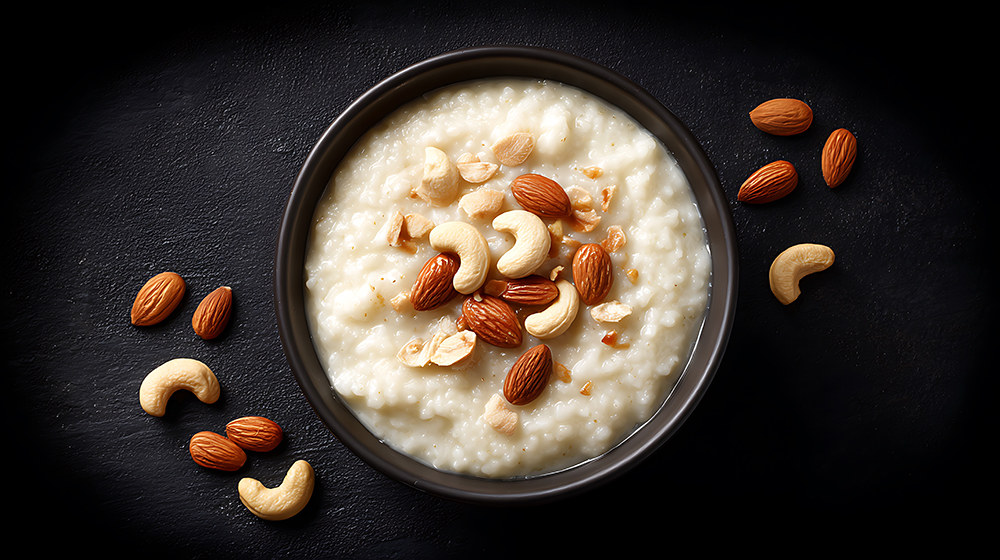
Carbohydrates first, with protein.
Carbohydrate because that’s what a heavy set runs on, and because by the time you wake up you’ve been fasting for eight or nine hours whether you meant to or not. Protein because it stops you feeling empty an hour in, and gives the body something to build with later.
Keep fat and fibre lower the closer you are to training. Both slow the stomach down, and neither is much use to you in the next hour. A big fatty breakfast half an hour before lifting is how people end up feeling rough at the squat rack.
Fruit deserves its own mention.
Overnight you don’t only run down the glycogen in your muscles. You run down the store in your liver too, and that one matters because the liver is what keeps your blood sugar steady, which is what your brain has been running on all night. Fructose, the sugar in fruit, restores liver glycogen faster than glucose does. So a piece of fruit first thing does a job that a slice of toast doesn’t quite do on its own.
If you can’t face solid food, drink it. A shake with some fruit in it does everything above and goes down when a plate won’t.
And it doesn’t need to be perfect. The difference between a good breakfast and a slightly better one is small. The difference between something and nothing is the one that turns up in your session.
Need more support with your nutrition?
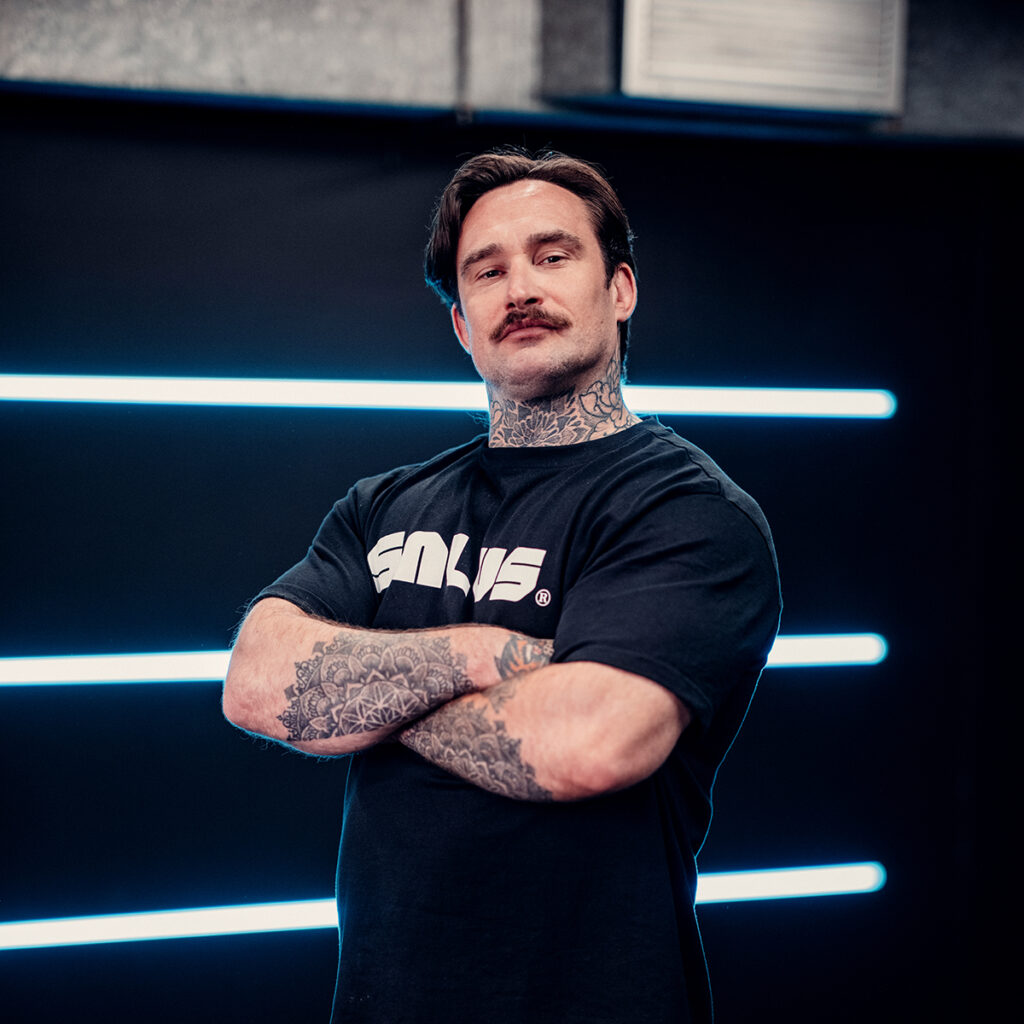
“You can train as hard as you like. If you’re not eating right, you won’t see the results you’re looking for.”
— Laurence Fountain, Head of Education
That’s what we’re here for!
Food makes a world of difference and most people are guessing at it.
Speak to one of our coaches. We do full coaching packages, or a one-off nutrition plan if you just want pointing in the right direction.