More than muscle
Nobody walks into a gym hoping to feel less anxious. Plenty of people walk out that way.
Lifting weights does more for your head than most people expect, and the research backs it up.
Does lifting weights help with low mood?
Lifting lowers symptoms of depression, and the evidence is strong. Pool 33 trials and nearly 1,900 people and the answer is the same: a moderate effect, in healthy people and in people living with a medical condition.
It is not a cure, and it works well alongside therapy and medication. Think of it as the training partner who turns up every time.
Does lifting weights help with anxiety?
In trials with 922 people, anxiety came down after lifting, whether they were healthy or living with an illness. It does this on its own, no breathing app required.
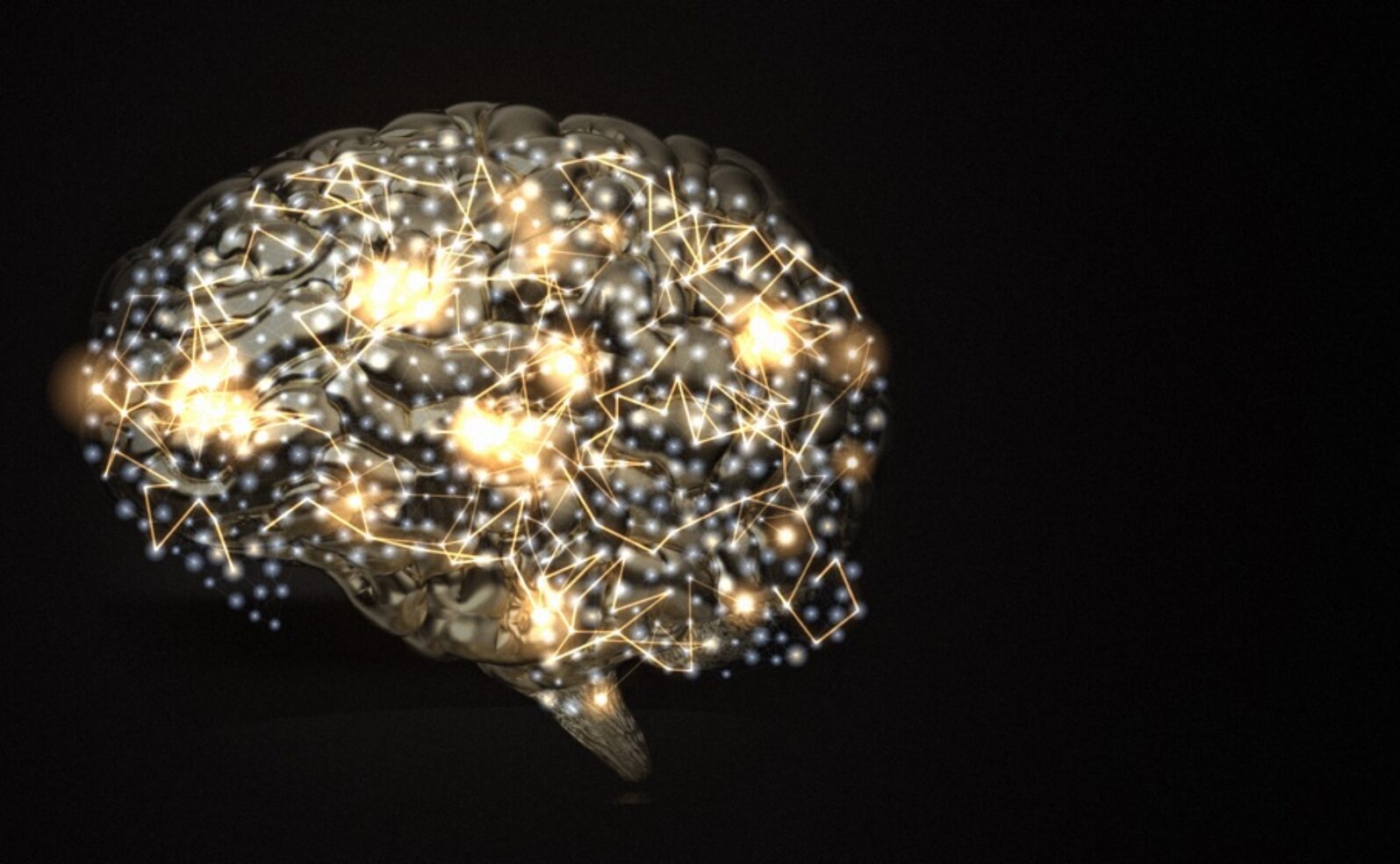
Does lifting weights make you think better?
Lifting improves how you score on tests of thinking, including executive function: the part of you that plans, prioritises and holds back the urge to send that email. Older adults see memory gains too. Your brain gets the benefit, with none of the sore legs.
Does it matter how strong you get from lifting weights?
It is a good reason to keep a log. In one trial, older adults with early memory problems trained two to three days a week for six months. The ones whose legs got strongest improved most on the thinking test.
That shows a link between getting stronger and thinking better. So write the number down. It is the easiest progress to see, and progress you can see keeps you coming back.
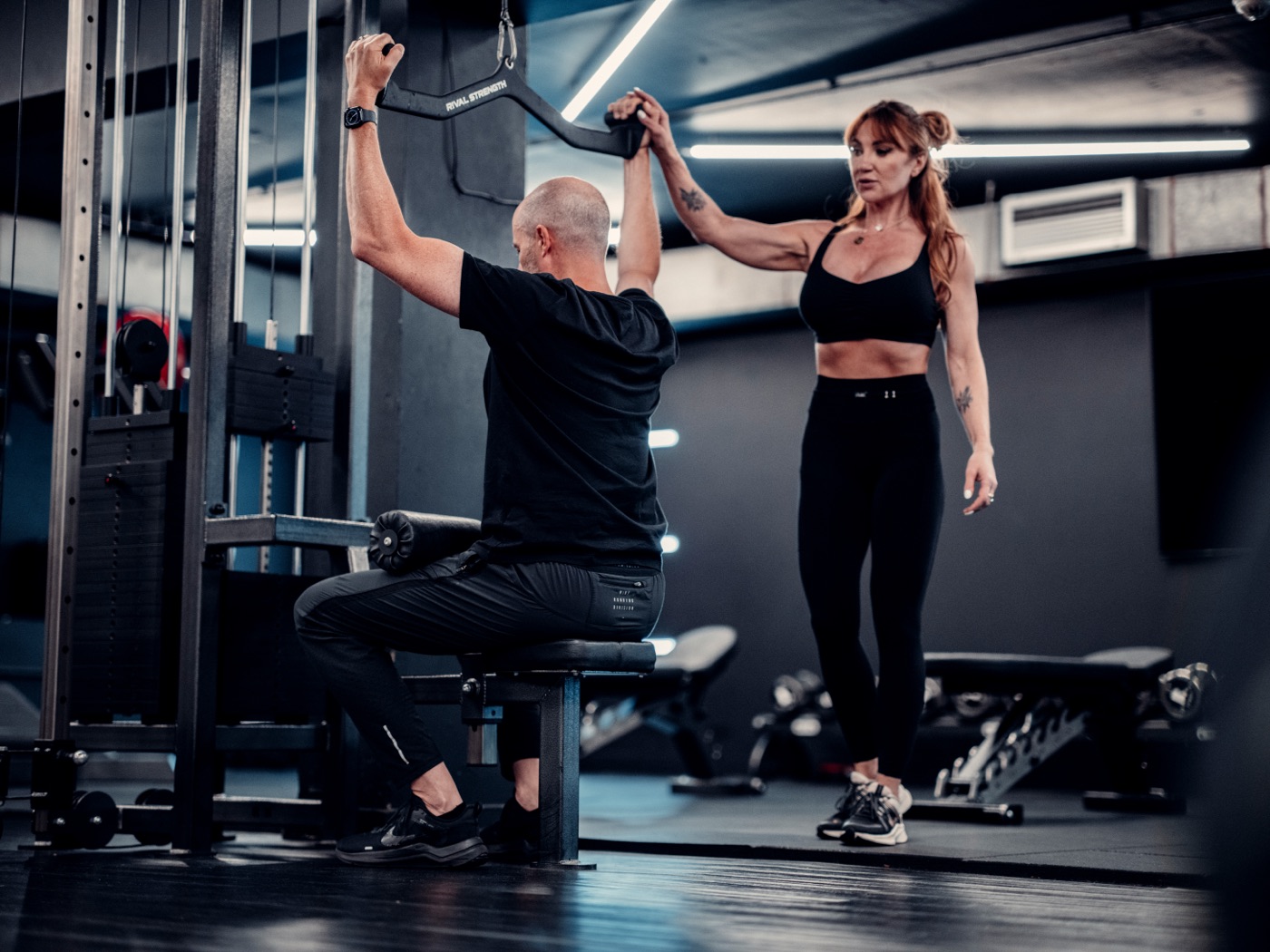
“I can’t believe how good it is for my mental health. Even when I know I’ve not been perfect, it’s worth coming in.”
Monica, Salus member
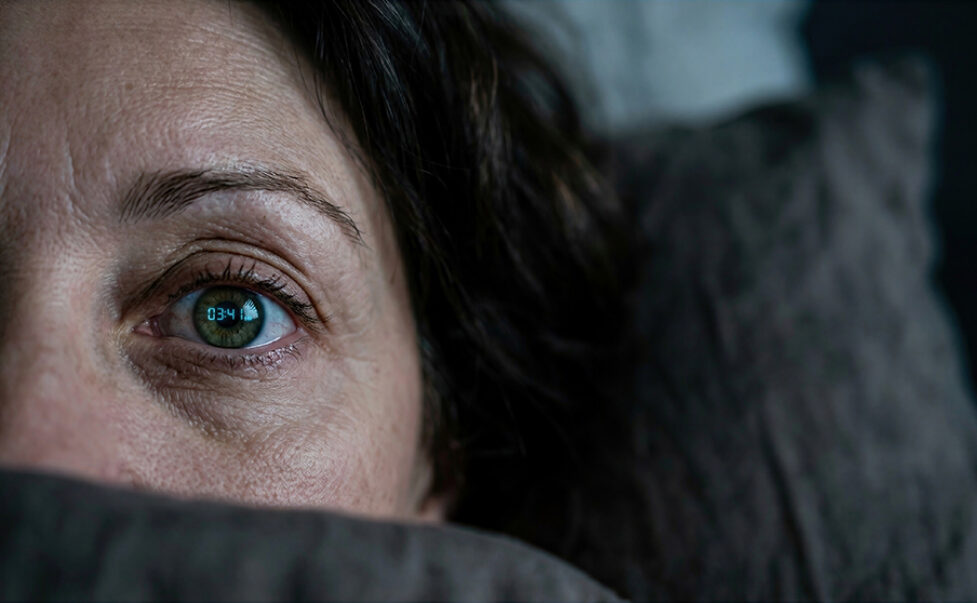
Does lifting weights help you sleep?
In 13 trials, regular lifting improved sleep quality and how quickly people fell asleep. The benefit builds when you train week after week, so think of each session as a deposit in your sleep account.
Where do you start with lifting weights?
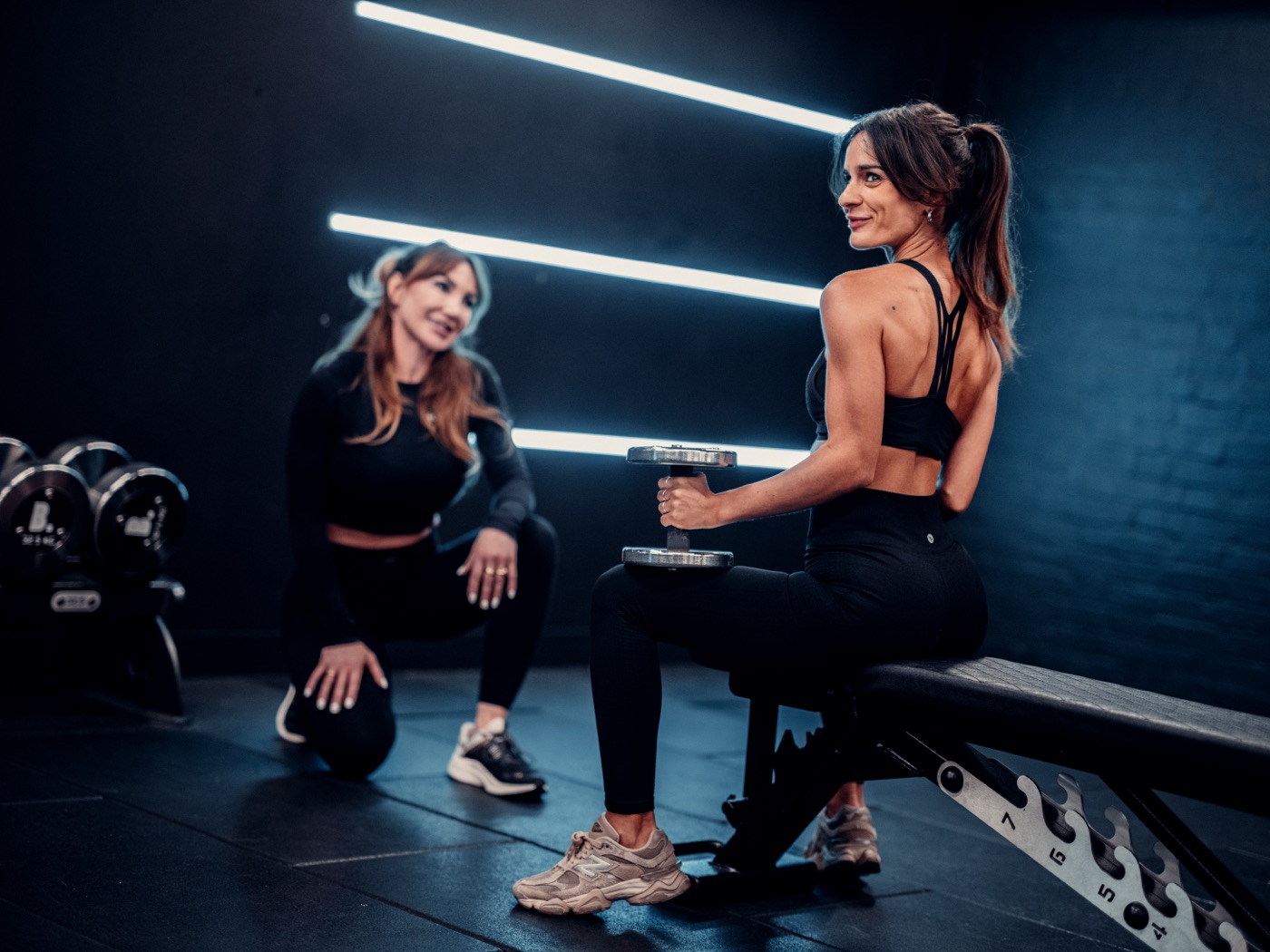
Start with a week. You do not need to be strong, fit or sure. You only need to turn up. Each session runs 50 minutes to an hour, with a coach leading a group of no more than eight, so you are never left to work it out alone. We handle the rest: three coached sessions for £39, with a programme written for you. The trial does not renew, so there is nothing to cancel.
Sources: Gordon et al. 2018, JAMA Psychiatry (link). Gordon et al. 2017, Sports Medicine (link). Landrigan et al. 2020, Psychological Research (link). Wu and Huang 2025, Frontiers in Psychiatry (link). Mavros et al. 2017, Journal of the American Geriatrics Society (link). Kovacevic et al. 2018, Sleep Medicine Reviews (link).